26
Feb
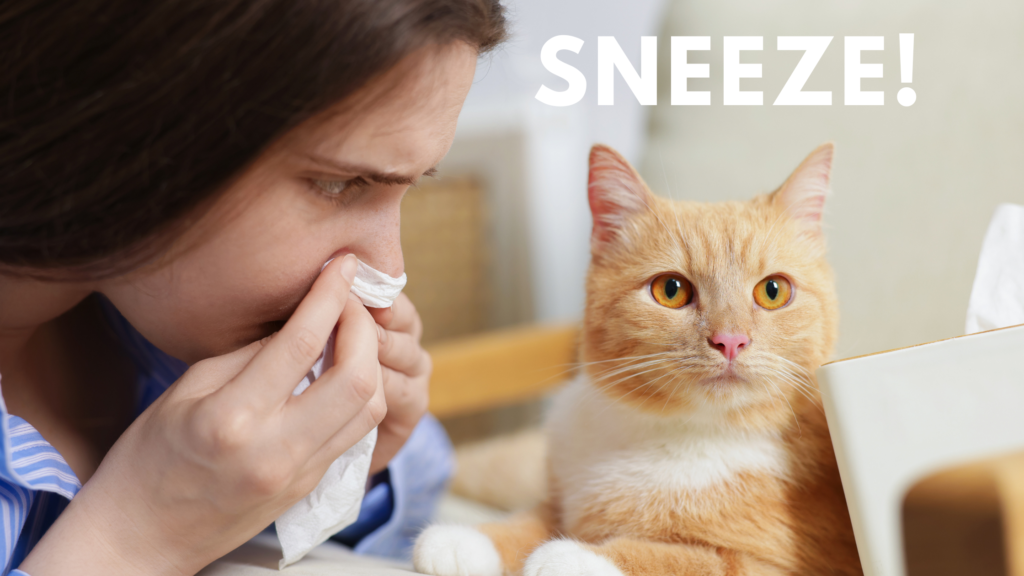
A cat sneezing a lot can be a source of concern for any pet owner. While an occasional sneeze is perfectly normal, a sudden increase in frequency can indicate an underlying issue. Your feline friend might be dealing with something as simple as a tickle in their nose or a more complex health problem. Understanding the potential reasons behind the sneezing is the first step toward helping your cat feel better. This guide will walk you through the common causes of excessive sneezing in cats, what it means when they seem otherwise fine, and what treatment options are available.
There are numerous reasons why your cat might be sneezing more than usual. The most common causes are as following:
It is similar to a human cold. These infections are often viral and can be caused by feline herpesvirus or feline calicivirus. They are highly contagious between cats, especially in multi-cat households or shelter environments. URIs often come with other symptoms like watery eyes, a runny nose, and sometimes a fever or loss of appetite. These infections can be easily spread through shared food bowls, litter boxes, or direct contact, so isolating a sick cat is often recommended to prevent transmission to other felines in the home.
Cat sneezing a lot? Another frequent culprit behind a cat sneezing a lot is the presence of irritants in their environment. Cats have sensitive nasal passages that can be easily agitated by a wide range of substances. Common household irritants include dust, strong perfumes, aerosol sprays, cleaning products, and even certain types of cat litter that create a lot of dust. Smoke, whether from tobacco, candles, or incense, can also trigger a sneezing fit. If you notice the sneezing starts or worsens in a particular room or after using a specific product, an environmental irritant is a likely cause. Identifying and removing the offending substance from your cat’s environment is the most effective way to resolve this type of sneezing.
Just like people, cats can develop allergic reactions to various elements in their surroundings. Pollen from trees, grass, and weeds is a common seasonal allergen that can affect felines. Mold and mildew, which can grow in damp areas of the home, are also known to cause allergic reactions. Some cats may even be allergic to certain ingredients in their food, although this is more likely to manifest as skin issues or digestive upset. An allergic reaction prompts the immune system to release histamines, which cause inflammation and irritation in the nasal passages, leading directly to sneezing as the body tries to expel the allergen.
A foreign body lodged in your cat’s nasal cavity can cause sudden and persistent sneezing. Cats, being curious creatures, can accidentally inhale small objects while exploring. A blade of grass, a small piece of food, or even a strand of carpet fiber can get stuck in the nose. This will cause significant irritation and lead to frantic sneezing as your cat tries to dislodge the object. In some cases, you might also see nasal discharge, sometimes with a bit of blood, or your cat may paw at its nose in distress. If you suspect a foreign object is the cause, a visit to the veterinarian is necessary, as they have the proper tools to safely locate and remove it.
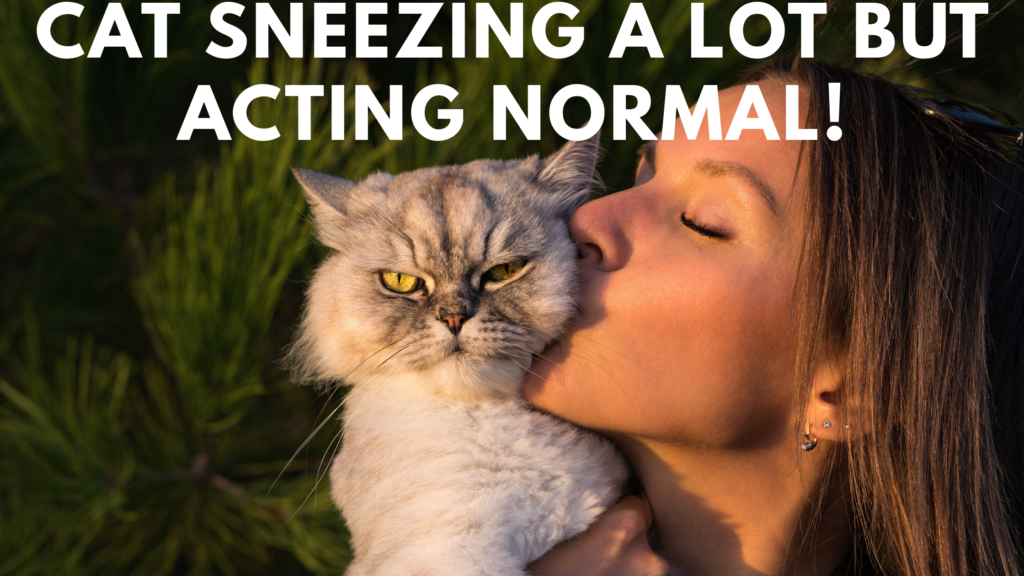
It can be particularly confusing when you have a cat sneezing a lot but acting normal in every other way. If your cat is still eating, drinking, playing, and using the litter box as usual, it often points away from a severe systemic illness. In many of these cases, the cause is localized to the nasal passages. This scenario frequently suggests an environmental irritant or a mild allergy. Your cat may have simply inhaled a bit of dust, a speck of pollen, or a whiff of a strong chemical cleaner that triggered a temporary sneezing fit. Once the irritant is cleared from their nasal passages, the sneezing typically subsides without any further intervention.
Mild viral infections can also present this way. A cat with a strong immune system might contract a URI but only show minimal symptoms, like sneezing, without feeling lethargic or losing their appetite. This is especially true for cats that have been vaccinated, as the vaccine can help their bodies fight off the infection more effectively, resulting in a less severe case. The sneezing is the body’s natural response to clear the virus from the respiratory tract. As long as your cat continues to act normally, you can often monitor them at home, ensuring they have access to fresh food and water and a comfortable place to rest while their body handles the infection during cat sneezing a lot session.
Dental issues can be a surprising but significant reason for a cat sneezing a lot but acting normal. An infection in a tooth root, particularly one in the upper jaw, can create inflammation and pressure that extends into the nasal sinuses. This irritation can trigger sneezing, even if the cat shows no other obvious signs of dental pain, like difficulty eating. Periodontal disease is common in cats and can progress silently. The sneezing may be the first and only outward sign that something is wrong in their mouth. A thorough veterinary check-up, including an examination of the teeth and gums, is crucial to rule out or diagnose any underlying dental problems that could be causing the respiratory symptom.
When a cat starts sneezing a lot in a row, it’s often a sign of intense irritation within the nasal passages. This type of sneezing, known as paroxysmal sneezing or a “sneeze fit,” is the body’s forceful attempt to expel something that is causing significant agitation. One of the most common causes for these successive sneezes is inhaling a foreign object. A blade of grass, a bit of lint, or a tiny food particle can get stuck, and the cat’s body will react with a rapid series of powerful sneezes to try and dislodge it. You may also notice your cat pawing at its nose or shaking its head during or after one of these episodes, which further indicates that something is physically stuck.
This rapid-fire sneezing can also be a reaction to a particularly strong irritant. Imagine walking into a cloud of perfume or pepper; your immediate reaction would likely be to sneeze several times. The same thing happens to cats. A direct blast from an aerosol spray, a deep sniff of a potent cleaning solution, or walking through a thick cloud of dust or pollen can overwhelm their sensitive nasal lining, triggering a sneezing fit. The sneezing will usually stop once the cat moves away from the source of the irritant and the substance has been cleared from their nose. Observing when and where these fits occur can provide valuable clues about the environmental trigger.
Allergic reactions can also manifest as a cat sneezing a lot in a row. When a cat is exposed to an allergen it is particularly sensitive to, the immune response can be swift and strong. This leads to a sudden release of histamines, causing severe inflammation and irritation in the nose that results in a bout of sneezing. This is often seen with seasonal allergies when pollen counts are high or when a cat comes into direct contact with something like mold. These allergic fits are the body’s overzealous attempt to protect itself by forcefully expelling the offending particles from the respiratory system.
In some rarer cases, nasal polyps or tumors can cause sneezing fits. These growths can obstruct the nasal passages and create a constant source of irritation. As the growth gets larger, it can trigger more frequent and intense sneezing episodes. While less common than infections or irritants, this is a more serious potential cause that requires veterinary attention. Nasal tumors are more likely in older cats and may be accompanied by other signs like facial swelling, a thick or bloody nasal discharge, and noisy breathing. If sneezing fits are becoming more frequent or are accompanied by these other symptoms, a prompt veterinary visit is essential for proper diagnosis and treatment.
So, what does it mean when a cat sneezes a lot? Fundamentally, it means something is irritating the delicate lining of their nasal passages. The sneeze itself is a protective reflex, a powerful and involuntary expulsion of air designed to clear the nose of whatever is causing the trouble. The specific meaning, however, depends entirely on the context and any accompanying symptoms. A simple, occasional sneeze is just like yours—a minor event, perhaps caused by a floating dust mote, that requires no further thought. But when the cat sneezing a lot becomes persistent, it transforms from a minor event into a clinical sign that something is amiss and needs to be investigated further.
If the sneezing is accompanied by other signs of illness, such as discharge from the eyes or nose, coughing, lethargy, or a decreased appetite, it almost always points to an infection. An upper respiratory infection is the most common diagnosis in this scenario. The sneezing is the body’s way of trying to expel the viral or bacterial pathogens. In this context, frequent sneezing is a clear signal that your cat is sick and its immune system is actively fighting something off. Your veterinarian can help confirm the diagnosis and may recommend supportive care to help your cat feel more comfortable while they recover from their illness.
Conversely, if the cat is sneezing a lot but shows no other signs of sickness, the meaning shifts toward external factors. This is when you should become a detective in your own home. The sneezing likely means your cat is reacting to something in its immediate environment. Is there a new air freshener? Did you recently switch to a new, dustier cat litter? Are the windows open during a high-pollen day? In this situation, the sneezing is a direct message about your cat’s environmental sensitivities. It’s an alert that something in their surroundings is causing discomfort, prompting you to identify and eliminate the source of the irritation.
Finally, chronic, long-term sneezing can mean there is an ongoing structural or health issue. This could point to chronic rhinitis, a condition where the nasal passages are persistently inflamed, often as a result of permanent damage from a severe past infection. It could also suggest the presence of nasal polyps, which are benign growths, or more serious issues like dental disease affecting the sinuses or even nasal cancer. In these cases, the sneezing is a symptom of a deeper, persistent problem. It means a comprehensive diagnostic workup by a veterinarian, which may include imaging like X-rays or a CT scan, is necessary to understand the underlying cause of cat sneezing a lot and determine the appropriate long-term management plan.
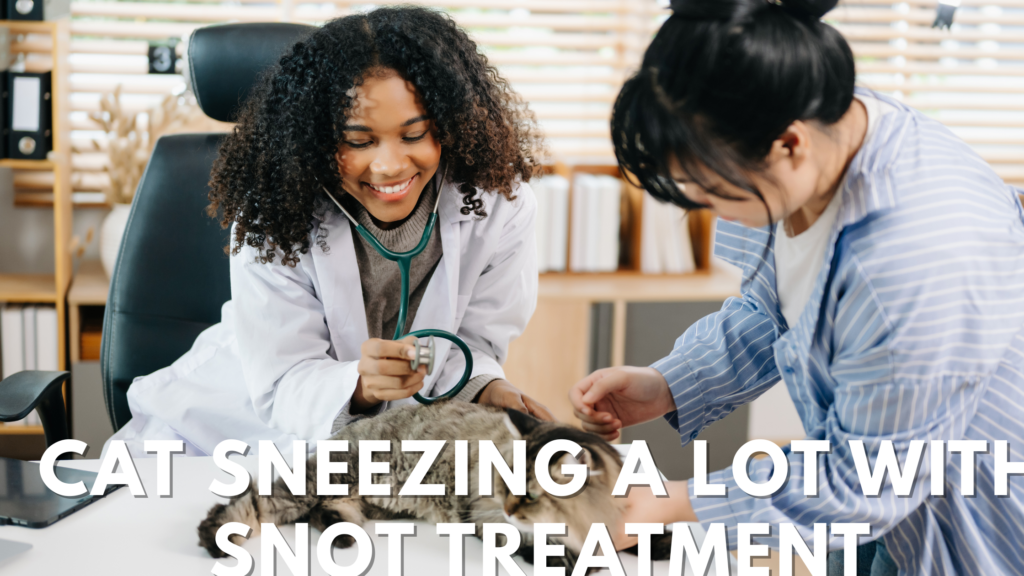
When you are dealing with a cat sneezing a lot, treatment will depend heavily on the underlying cause and the nature of the discharge. The snot, or nasal discharge, provides important clues. A clear, watery discharge often accompanies viral infections, allergies, or early-stage irritation. For mild viral URIs, treatment is primarily supportive. This involves ensuring your cat stays hydrated and nourished when the cat sneezing a lot, and keeping their face clean. You can gently wipe their nose and eyes with a soft, damp cloth to remove crusted discharge. Running a humidifier or bringing the cat into the bathroom while you shower can also help; the steam moisturizes the nasal passages, loosens mucus, and makes breathing easier.
If the nasal discharge becomes thick, yellow, or green, it is a strong indicator of a secondary bacterial infection. Viruses can damage the nasal lining, making it easier for bacteria to take hold. In this situation, a veterinarian will typically prescribe a course of antibiotics to fight the bacterial component. It is crucial to administer the full course of medication as prescribed, even if your cat starts to seem better, to ensure the infection is completely cleared. Your vet may also recommend a mucolytic agent, which is a medication that helps break down and thin the thick mucus, making it easier for your cat to clear the snot from their nose.
For cases where allergies are the suspected cause of the sneezing and snot, treatment focuses on reducing exposure to the allergen and managing the immune response. Your veterinarian might recommend antihistamines to help control the symptoms. It is important to only use medications prescribed by a vet, as human allergy medications can be toxic to cats. In some severe or chronic allergy cases, a vet may prescribe corticosteroids to reduce inflammation. If a food allergy is suspected, a food trial with a hypoallergenic diet will be the primary diagnostic and treatment tool. This involves feeding your cat a special diet with a novel protein source for several weeks to see if symptoms resolve for cat sneezing a lot.
In more complex situations, such as when a foreign body, polyp, or tumor is the cause, more invasive treatment is required. A veterinarian will need to sedate or anesthetize the cat to perform a thorough examination of the nasal passages, often using a small camera called an endoscope. Foreign objects can then be carefully removed. Nasal polyps are typically removed surgically. If a tumor is found, treatment options will depend on the type and stage of the cancer and may include surgery, radiation, or chemotherapy. Regardless of the cause, dealing with a cat that is sneezing with snot requires a proper diagnosis to ensure the correct treatment plan is implemented for their recovery.