24
Aug
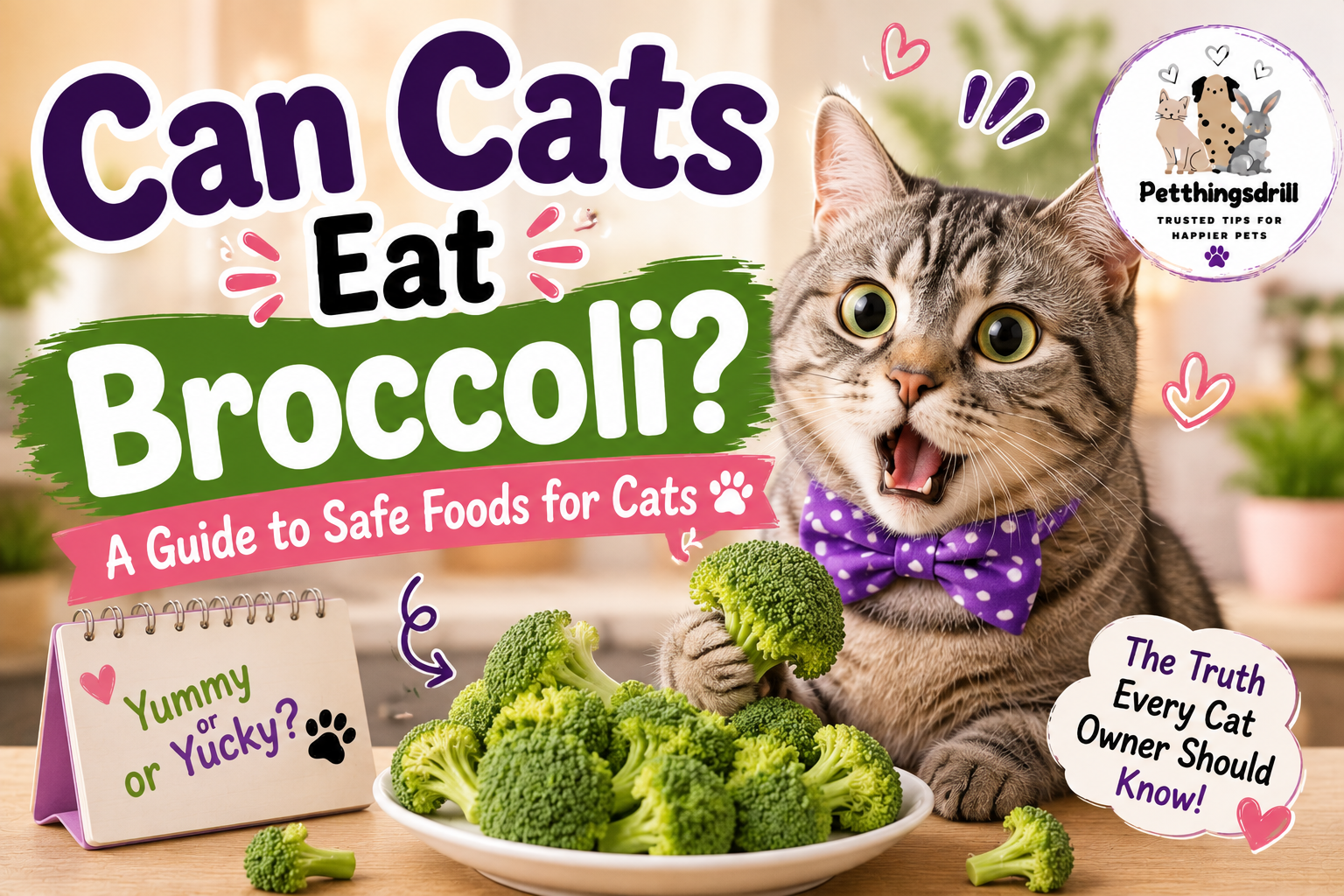
Quick answer: Can cats eat broccoli? Yes — in small amounts, broccoli is generally safe for cats and even offers some nutritional benefits. However, cats are obligate carnivores, meaning plant-based foods should only ever be an occasional supplement to a meat-based diet, never a staple.
You’ve just dropped a tiny broccoli floret on the kitchen floor, and before you can pick it up, your cat is already sniffing it suspiciously. It’s one of those oddly relatable moments that sends most cat owners straight to Google. What can cats actually eat? What’s safe? What isn’t? The answers might surprise you.
This guide covers everything from broccoli and carrots to spinach, kale, and fruit — plus a few foods that should never land in your cat’s bowl.
Cats are obligate carnivores. Unlike dogs or humans, their bodies are designed to run almost entirely on animal protein. They lack certain digestive enzymes that help break down plant material efficiently, and they can’t synthesize key nutrients — like taurine — from plant sources alone.
That doesn’t mean the occasional vegetable will harm them. But it does mean vegetables and fruits are extras, not essentials.
Can cats eat broccoli? The short answer is yes. Broccoli is non-toxic to cats and is actually one of the safer vegetables you can offer them. It contains antioxidants, fiber, and vitamin C — none of which are harmful in small doses.
That said, cats don’t need vitamin C the way humans do (their bodies produce it naturally), so the nutritional payoff is modest. The bigger benefit might be behavioral: some cats are drawn to broccoli’s texture, making it a low-risk way to satisfy their curiosity about human food.
How to serve it: Steam or boil broccoli before offering it — raw broccoli can be harder to chew and digest. Keep portions small (a floret or two at most) and serve it plain, with no seasoning, butter, or sauces.
When to be cautious: Too much broccoli can cause digestive upset, including gas or loose stools. If your cat has a sensitive stomach or a pre-existing health condition, check with your vet before introducing any new food.
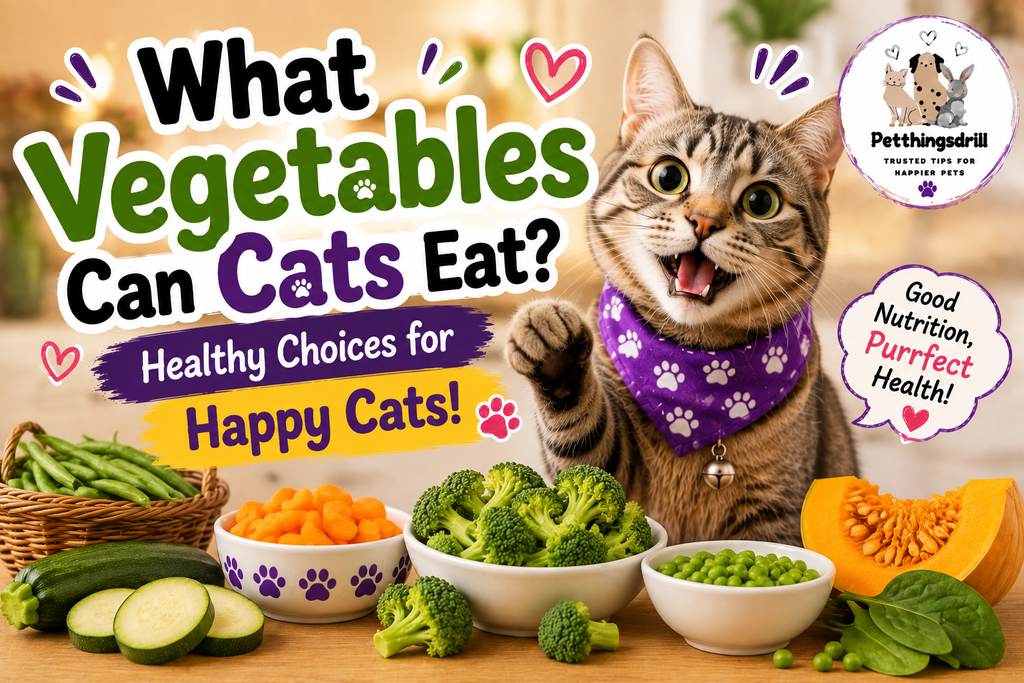
Yes — carrots are safe for cats when cooked and cut into small pieces. Raw carrots pose a choking risk and are harder to digest. Cooked carrots are soft, easy to eat, and contain beta-carotene, though cats convert it far less efficiently than humans do. Treat them as an occasional snack, not a dietary fixture.
Celery is safe for most cats and is actually one of the few vegetables some cats genuinely enjoy — possibly because of its faint resemblance to cat grass. It’s low in calories and contains a little fiber and water, which can support hydration. Stick to small pieces of the stalk, and skip the leaves, which can be more difficult to digest.
Yes. Peas are commonly found in commercial cat foods and are considered safe. They provide a small amount of protein, fiber, and vitamins. Fresh or frozen peas (thawed, not canned) are the best options. Avoid peas with added salt or seasoning.
Spinach is safe for healthy cats in small quantities. It contains vitamins A, C, and K, along with some iron and calcium. However, spinach contains calcium oxalate, which can contribute to urinary crystals. If your cat has a history of urinary tract issues or kidney disease, spinach is best avoided entirely. Always check with your vet if you’re unsure.
Kale sits in a gray area. Small amounts are unlikely to cause harm, but kale belongs to the Brassica family — the same family as broccoli and cabbage — and contains compounds that can interfere with thyroid function in large quantities. It also carries a risk of Heinz body anemia if consumed regularly. The occasional nibble probably won’t hurt, but kale isn’t worth making a habit of.
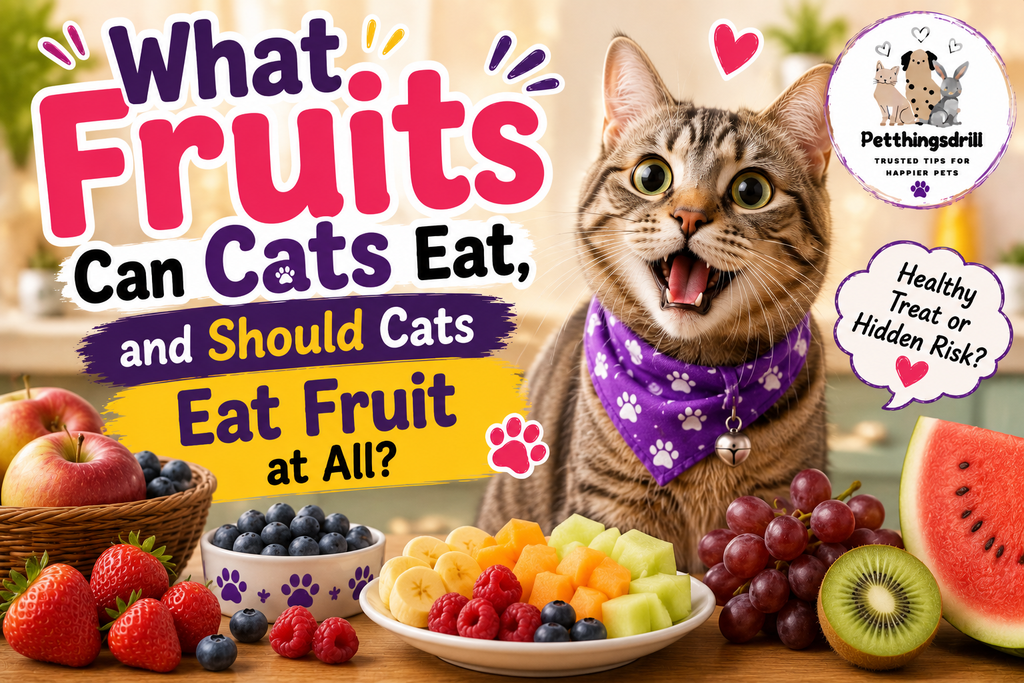
Most cats show little interest in fruit — they actually lack the taste receptors to detect sweetness. But some cats are curious, and a few fruits are perfectly safe.
Safe fruits for cats include:
Fruits to avoid entirely:
No. Spam is a processed meat product loaded with sodium, preservatives, and additives that have no place in a cat’s diet. A single slice of Spam contains far more salt than a cat should consume in an entire day. High sodium intake in cats can lead to excessive thirst, dehydration, high blood pressure, and in serious cases, sodium ion poisoning.
Beyond Spam, a few other foods warrant a hard no:
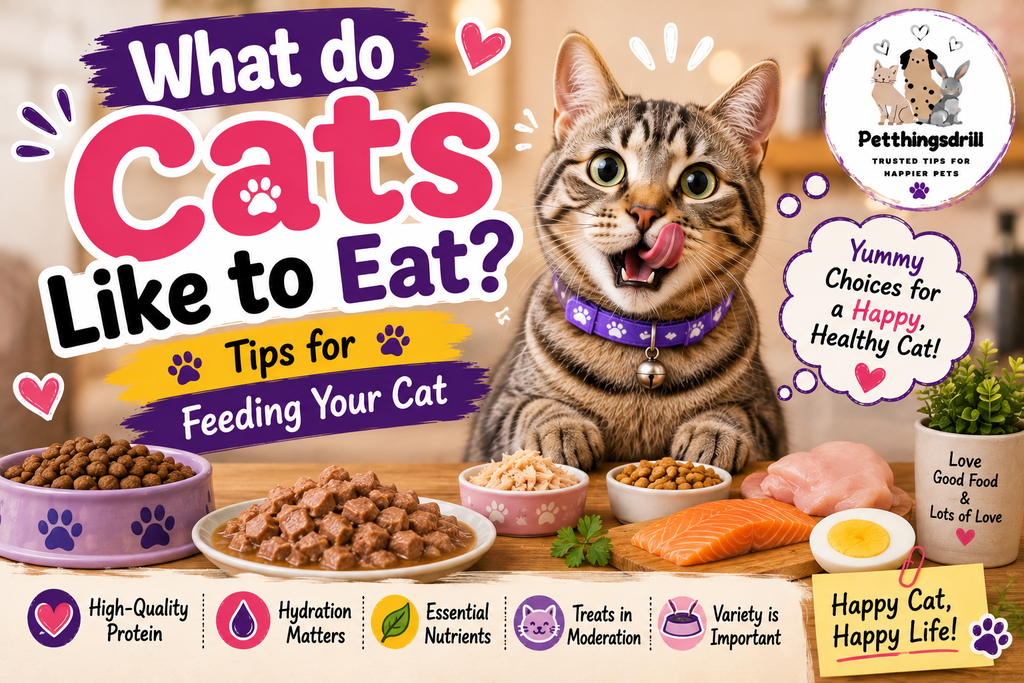
Understanding what cats like to eat goes beyond just listing safe foods. Cats tend to prefer:
If you’re introducing a new food — vegetable, fruit, or otherwise — do it gradually and in tiny amounts. Watch for any signs of digestive upset, allergic reaction, or behavioral changes. And when in doubt, ask your vet. Can cats eat broccoli, peas, or celery? Generally yes. But every cat is an individual, and what works for one may not work for another.
Is broccoli toxic to cats?
No, broccoli is not toxic to cats. It’s one of the safer vegetables you can offer, though it should always be cooked, unseasoned, and given in small amounts to avoid digestive issues.
How much broccoli can a cat eat?
One or two small florets is plenty. Broccoli should be an occasional treat, not a regular part of your cat’s diet. Too much can cause gas, bloating, or loose stools.
What vegetables are toxic to cats?
Onions, garlic, chives, and leeks are the most dangerous — all are toxic to cats and can damage their red blood cells. Wild mushrooms are also a risk. Avoid feeding any of these in any form, including powdered or cooked.
Can cats eat raw broccoli?
Technically yes, but it’s not ideal. Raw broccoli is harder to chew and digest, and the tough texture increases the risk of choking. Steamed or boiled broccoli is a safer option.
Should I give my cat fruits and vegetables regularly?
No. Cats are obligate carnivores, and their primary diet should consist of high-quality animal protein. Fruits and vegetables can be occasional treats, but they should never replace — or significantly supplement — a meat-based diet.
What should I do if my cat eats something toxic?
Contact your veterinarian or the ASPCA Animal Poison Control Center (888-426-4435) immediately. Don’t wait for symptoms to appear — early intervention makes a significant difference in outcomes.
Most cats will do just fine with a high-quality commercial cat food that meets AAFCO (Association of American Feed Control Officials) nutritional standards. Vegetables like broccoli, peas, and carrots can add a little variety and enrichment — but they’re sideshows, not the main event.
The best thing you can do for your cat is stay informed, stay consistent, and check in with your vet whenever you’re unsure about a new food. Curiosity may be a cat trait, but in this case, it’s one worth channeling yourself.


