
20
Aug
Quick answer: Can cats eat yogurt? Technically yes, but it depends on the type and amount. Most cats are lactose intolerant, making many dairy products risky. Plain, unsweetened yogurt in small amounts is generally the safest option—though it should never replace a balanced, meat-based diet.
Can cats eat yogurt is one of those questions that sounds simple but quickly unravels into a web of nuance. Your cat eyeing your breakfast parfait might seem harmless, but what happens when you give in? The answer depends on the type of yogurt, how much your cat consumes, and your individual cat’s digestive tolerance. Here’s everything you need to know before sharing that spoonful.
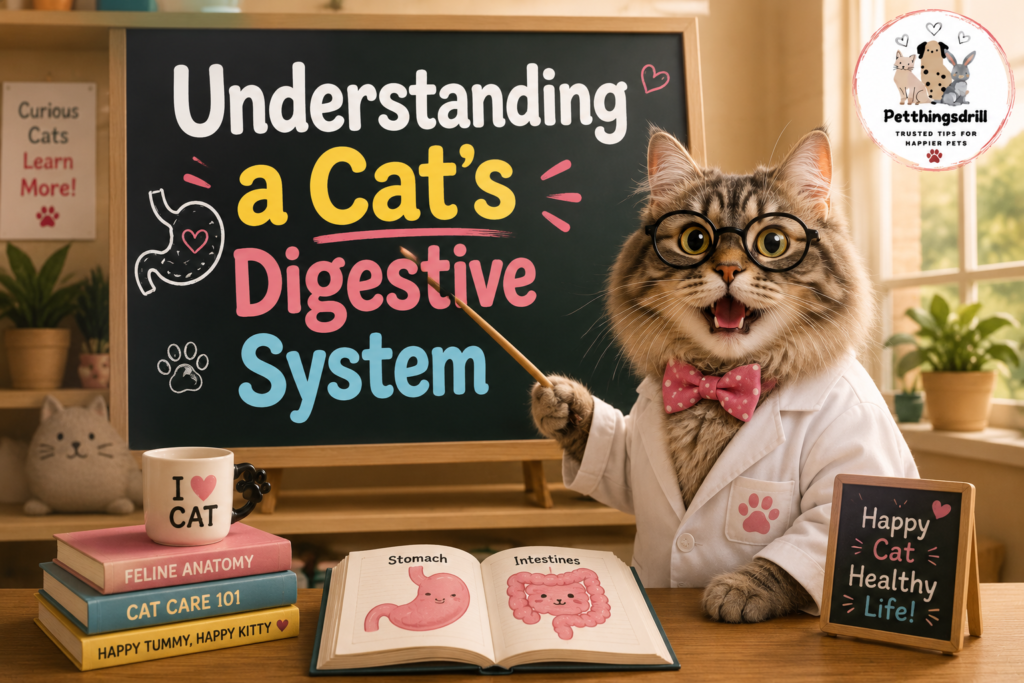
Cats are obligate carnivores. Their digestive systems evolved to process animal protein, not dairy. Unlike humans, most adult cats produce very little lactase—the enzyme needed to break down lactose, the sugar found in milk and many dairy products. This is why dairy often causes gastrointestinal distress in cats, including bloating, diarrhea, and vomiting.
Kittens produce more lactase than adults, which makes sense since they nurse from their mothers. But as cats mature, lactase production naturally declines. By adulthood, the majority of domestic cats are considered lactose intolerant to varying degrees.
Yogurt is different from regular milk in one important way: the fermentation process. During fermentation, live bacterial cultures break down a significant portion of the lactose, making yogurt easier to digest than unfermented dairy. This is why some lactose-intolerant humans can tolerate yogurt without issue.
The same logic may apply to cats—but with important caveats. The bacterial cultures in yogurt (like Lactobacillus acidophilus) may offer minor probiotic benefits, but no peer-reviewed research conclusively supports yogurt as a health food for cats. Any potential benefit is small, and safer probiotic alternatives exist specifically formulated for felines.
This depends entirely on context. In tiny amounts, plain yogurt is unlikely to harm a healthy cat. It contains protein and calcium, which sound positive on paper. But cats don’t need dairy-based calcium—they get everything they need from a properly balanced cat food diet.
The risks, however, are real. Added sugars, artificial sweeteners (particularly xylitol, which is toxic to cats), flavorings, and fruit additives make most commercially available yogurts unsuitable for cats. Even “natural” flavored yogurts can contain ingredients that cause digestive upset or worse.
So is yogurt bad for cats? Not inherently—but most yogurt products are bad for cats. The distinction matters.
Yogurt safety for cats depends on several factors:
Signs that a cat has reacted poorly to yogurt include loose stool, vomiting, excessive gas, or lethargy. If any of these appear after your cat eats yogurt, discontinue immediately and consult a veterinarian.
Greek yogurt has become a popular choice for health-conscious humans, but does that status extend to cats?
Greek yogurt is strained, which removes much of the whey and reduces the lactose content further compared to regular yogurt. It also contains more protein per serving. For these reasons, plain Greek yogurt is generally considered the least risky food option for cats. That said, “less risky” is not the same as “beneficial.”
Yes, cats can have plain Greek yogurt in very small quantities—think a quarter teaspoon as an occasional treat, not a regular dietary addition. It must be plain, unsweetened, and free of any flavorings or additives. Full-fat or low-fat versions are preferable to non-fat varieties, which sometimes contain added thickeners or stabilizers.
A lick or two is unlikely to cause harm. Anything beyond a teaspoon at one sitting pushes into unnecessary risk territory, particularly for cats with sensitive stomachs or underlying health conditions. Greek yogurt for cats should be treated as an occasional curiosity, not a dietary supplement.
Plain yogurt—the unsweetened, unflavored variety—is the only type worth considering for cats. It has the lowest additive risk and typically contains live cultures that make the lactose more manageable. If you’re going to offer your cat yogurt at all, this is the safest form. Still, offer only a small amount and monitor for any adverse reaction.
Walk down any yogurt aisle and you’ll find dozens of flavored varieties. From a cat’s perspective, nearly all of them are off the table.
Vanilla yogurt typically contains added sugar and artificial flavorings that offer no nutritional value to cats and may disrupt their digestive system. Some vanilla products also contain vanilla extract, which contains ethanol—a compound that is toxic to cats even in small amounts.
Strawberry yogurt presents multiple problems. It usually contains high fructose corn syrup or added sugar, artificial colors, and fruit concentrates. While plain strawberries are not toxic to cats, the sugar content in strawberry yogurt far exceeds what a cat’s system should handle. The answer here is a firm no.
Pure vanilla extract contains alcohol and should never be given to cats. Imitation vanilla is slightly less dangerous but still contains compounds that can irritate a cat’s gastrointestinal tract. Whether in yogurt or another form, vanilla is best kept away from your cat entirely.
There are limited scenarios where yogurt for cats might be acceptable:
Even in these cases, the yogurt must be plain, contain live cultures, and be free of xylitol, sugar, and artificial ingredients. Always consult your vet before introducing any new food into your cat’s diet, especially if your cat has a history of digestive issues, diabetes, or kidney disease.
Can cats eat yogurt every day?
No. Even plain yogurt should only be offered as an occasional treat. Daily consumption increases the risk of digestive issues and can displace the nutrients cats need from a proper meat-based diet.
What happens if a cat eats flavored yogurt?
It depends on the ingredients. Added sugar may cause stomach upset. Xylitol, found in some sugar-free yogurts, is toxic to cats and can cause serious harm. If your cat consumes flavored yogurt, check the ingredient list and contact a vet if any concerning additives are present.
Is yogurt a good probiotic for cats?
Not particularly. While yogurt contains live cultures, cat-specific probiotic supplements are a far more effective and targeted option. These are formulated with strains that benefit feline gut health specifically.
Can kittens eat yogurt?
It’s best to avoid giving yogurt to kittens. Their digestive systems are still developing, and while kittens produce more lactase than adults, introducing dairy outside of their mother’s milk is generally unnecessary and potentially disruptive.
What dairy products are safe for cats?
Most dairy products are not recommended for cats. If you want to offer something dairy-based, plain Greek yogurt in tiny amounts is the least risky option. Avoid milk, cheese in large quantities, cream, and any flavored dairy products.
Can cats eat yogurt without dropping dead? In most cases, yes—a small amount of plain, unsweetened yogurt is unlikely to cause serious harm. But “unlikely to cause harm” is a low bar, and it’s worth asking whether there’s any real benefit to offering it in the first place.
Cats thrive on high-quality, meat-based nutrition. Yogurt doesn’t add meaningful value to that picture, and the risks—from lactose intolerance to toxic additives—make it more trouble than it’s worth as a regular treat. If you want to support your cat’s gut health, speak with your veterinarian about feline-specific probiotics designed with your cat’s biology in mind.
When in doubt, stick to what your cat actually needs—and save the yogurt for yourself.

