
25
Feb
As a dog owner, you’ve probably found yourself holding a crisp, juicy apple and wondering, “Can dogs eat apples?” It’s a common question. We want to share our healthy snacks with our furry best friends, but we also want to keep them safe. The simple answer is yes, dogs can eat apples! These fruits can be a nutritious and tasty treat for your pup. However, there are some important things you need to know before you start slicing one up for your companion. This guide will walk you through all the benefits and disbenefits that you need to know while offering your canine friend.
Apples offer a wealth of vitamins and minerals. They are an excellent source of Vitamin C, which helps support a healthy immune system and can aid in reducing inflammation. They also contain Vitamin A, essential for maintaining healthy skin, a shiny coat, and proper vision. Beyond vitamins, apples are a great source of dietary fiber. Fiber plays a crucial role in your dog’s digestive health. It can help regulate bowel movements and promote a healthy gut. This can be especially helpful for dogs who may experience occasional digestive upset. The fiber in apples helps add bulk to their stool, ensuring everything moves along smoothly.
Apples are also low in protein and fat, making them a good snack choice for senior dogs or those with specific dietary restrictions. The crunchy texture is another bonus. Chewing on apple slices can help clean your dog’s teeth and freshen their breath.
While the flesh of an apple is perfectly safe, some parts of the fruit are not. Proper preparation is key to turning this fruit into a safe and enjoyable treat. So, how should you serve it? First, always wash the apple thoroughly. This removes any pesticides or chemicals that might be lingering on the skin. While many pet owners ask, “can dogs eat apple peel?”, the answer is generally yes. The peel contains much of the fruit’s fiber and nutrients. However, for some dogs, especially those with sensitive stomachs, the peel can be a bit tough to digest. If you’re introducing apples for the first time, you might consider peeling them to see how your dog tolerates it.
The most important step is to remove the core and the seeds. This brings us to a critical safety concern: can dogs eat apple cores? The answer is a firm no. The core is tough and presents a serious choking hazard, especially for smaller dogs or who might try to swallow it whole. Similarly, you must be careful about the seeds. The question of “can dogs eat apple seed?” is one every dog owner should know the answer to. Apple seeds contain a compound called amygdalin, which can release cyanide when chewed or digested. While a dog would need to consume a very large quantity of crushed seeds for it to be toxic, it’s a risk that is simply not worth taking. The potential for an intestinal blockage from the core or the long-term effects of cyanide from the seeds makes removing them non-negotiable. Always slice the apple into manageable, bite-sized pieces and ensure all seeds and core fragments are gone before sharing with your pup.
Where the question “can dogs eat apples?” is important, another thing that is important is the quantity of the portion of an apple that you are going to offer your buddy canine. Like any treat, moderation is essential. Apples contain sugar, and while it’s natural fruit sugar, too much can lead to an upset stomach, diarrhea, or contribute to weight gain over time. A good rule of thumb is that treats, including fruits like apples, should not make up more than 10% of your dog’s daily caloric intake.
For a small dog, a couple of small slices are plenty. A medium or large dog might enjoy a bit more, but a few chunks are still a sufficient serving. If you’re unsure, it’s always best to consult your veterinarian. They can provide guidance based on your dog’s specific size, age, activity level, and overall health. When considering it, think of it as a special treat, not a meal replacement.

With so many apple varieties available, you might wonder if certain types are better than others. For example, can dogs eat Fuji apples? Yes, they can! Fuji, Gala, Honeycrisp, and Red Delicious are all great choices for your canine friend. Tart varieties like Granny Smith are also safe, though some dogs may not be as fond of the sour taste. The nutritional content is similar across the different types, so feel free to share a slice of whichever variety you’re enjoying.
Some owners ask, can dogs eat apple pears? Apple pears, also known as Asian pears, are also safe for dogs. They have a similar crunchy texture and offer comparable benefits, like fiber and vitamins. As with regular apples, be sure to remove the core and seeds and serve them in moderation. Many people also enjoy apples in their preserved forms. This leads to questions about processed apple products. Can dogs eat dried apples? This is a bit more complex. Dried apples are essentially just apples with the water removed. This process concentrates the sugar and calories. While a small piece of a plain, unsweetened dried apple is unlikely to cause harm, they are not the best treat option. The high sugar content can be problematic, and their chewy, sticky texture can get stuck in a dog’s teeth.
The same logic applies when asking, can dogs eat dehydrated apple? Whether you buy them or make them at home, dehydrated apples have the same concentrated sugar and calorie issues. If you do offer a piece, ensure it has no added sugars, spices like cinnamon (which can be an irritant in large amounts), or other preservatives. What about freeze-dried options? The query, “can dogs eat freeze dried apples? is common among owners who use these for training. Freeze-dried apples are often a better choice than dehydrated ones.
The freeze-drying process retains more nutrients and results in a light, airy crunch rather than a sticky, chewy texture. They are less likely to get stuck in teeth. However, the sugar is still concentrated, so portion control remains just as important. Always check the ingredients list to ensure there are no added sugars or chemicals. In all cases, fresh is best. A simple, raw apple slice is the healthiest and safest way for your dog to enjoy this fruit.

Beyond just handing your dog a slice, there are fun ways to incorporate this fruit into their treat routine. These methods can add a bit of excitement and mental stimulation.
Puree some apple slices (with a little water if needed) and freeze the mixture in an ice cube tray. These make for a refreshing and hydrating treat, especially on a warm day.
Mix finely chopped apple pieces with a spoonful of plain, xylitol-free peanut butter or unsweetened yogurt. Stuff the mixture inside a Kong or other puzzle toy. This not only provides a tasty reward but
also keeps your dog busy and engaged.
Cut fresh apple into very small, pea-sized cubes. Their low-calorie nature makes them an excellent, healthy reward during training sessions. The crisp texture is often a welcome change from softer training treats. Remember to always introduce new recipes slowly and watch for any digestive upset.
When you open a jar of applesauce for yourself, your dog might give you those pleading eyes. Generally, plain, unsweetened applesauce is safe for dogs in small amounts. It offers some of the same benefits as raw apples, but without the dental- cleaning crunch. The key is “plain and unsweetened.” Many commercial apple sauces are loaded with added sugars, artificial sweeteners like xylitol (which is highly toxic to dogs), or spices that can upset their stomach. Apple juice is a different story and is best avoided. It’s essentially sugar water, stripped of the beneficial fiber that makes the whole fruit healthy. The high sugar content can easily lead to an upset stomach or diarrhea and provides no real nutritional value for your dog. Stick to fresh water for hydration and fresh apple slices for a fruity treat.
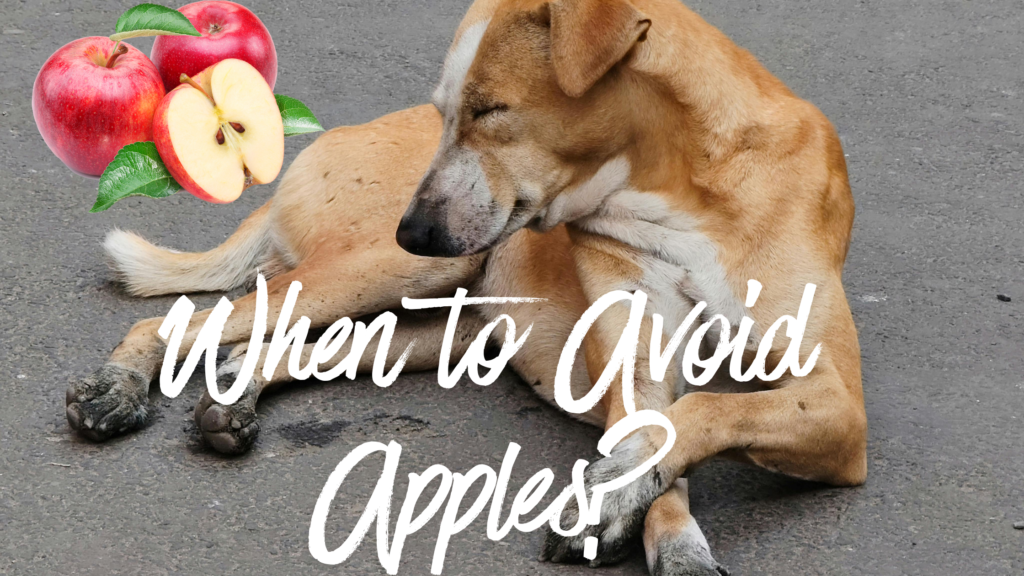
“Can dogs eat apples?” when they are sick. While apples are safe for most dogs, there are a few situations where you should avoid them. Dogs with certain health conditions, such as diabetes, should not be given apples due to their sugar content. The natural sugars can cause a spike in blood glucose levels. If your dog has been diagnosed with diabetes or is overweight, consult your veterinarian before introducing any new fruits into their diet.
Additionally, some dogs may have a sensitive digestive system that doesn’t handle fruits well. When giving your dog apple for the first time, start with a very small piece and monitor them for any signs of gastrointestinal upset, like vomiting or diarrhea. If you notice any adverse reactions, it’s best to stick to their regular treats. This initial test is a crucial step for any new food you introduce.
So, let’s revisit our main question one more time: can dogs eat apples? Yes, with the proper precautions, they absolutely can. By washing the fruit, removing the core and seeds, and serving it in moderation, you can safely share this healthy and delicious snack with your beloved pet. It’s a wonderful way to give them a nutritious treat that you both can enjoy.