08
Mar
As a pet owner, you’ve likely seen your dog’s hopeful eyes watching you prepare a meal. Whether you’re slicing vegetables for a salad or making a hearty pasta sauce, it’s natural to wonder if you can share a bite. This brings up a common question: can dogs have tomatoes? The answer isn’t a simple yes or no. While ripe, red tomatoes can be a safe treat in moderation, parts of the tomato plant and unripe tomatoes are toxic to our furry friends.
This guide will walk you through everything you need to know. We’ll explore the risks and benefits, explain which tomato products are off-limits, and provide clear instructions on how to safely share this fruit with your dog.

The primary concern about tomatoes for dogs comes from a compound called tomatine. Tomatine is a substance found in the tomato plant that is toxic to dogs when consumed in large quantities.
The highest concentrations of tomatine are in the green parts of the plant: the stems, vines, and leaves. Unripe, green tomatoes also contain significant levels of this toxin. This is the main reason why can’t dogs have tomatoes in certain forms. If you have a garden, it’s crucial to fence it off to prevent your dog from chewing on the plants.
Ingesting these parts can lead to tomatine poisoning, also known as tomato poisoning. While it’s rare for a dog to consume enough to cause a fatal reaction, it’s a risk you shouldn’t take, especially with puppies and smaller breeds.
Symptoms of tomatine poisoning include:
If you suspect your dog has eaten the green parts of a tomato plant, contact your veterinarian immediately.
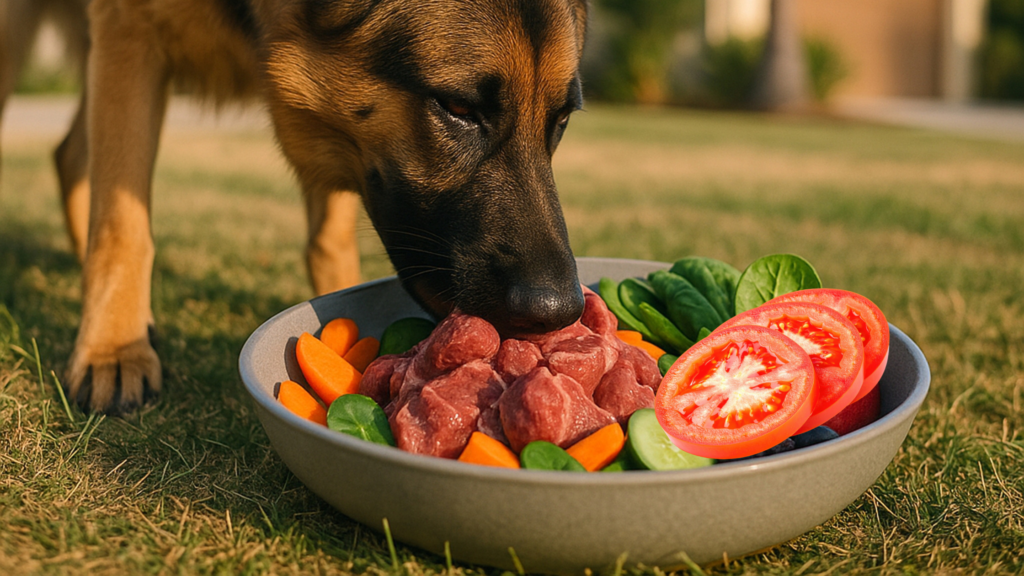
So, can dogs have tomato in any form? Yes. As the tomato ripens to its familiar red color, the tomatine levels in the fruit drop significantly, making it generally safe for dogs to eat. Ripe, fresh tomatoes can offer some health benefits when served as an occasional treat.
Ripe tomatoes are low in calories and contain beneficial nutrients, including:
Both raw tomatoes and ripe yellow tomatoes are safe when served correctly. The same applies to smaller varieties; if you’re wondering, “can dogs have grape tomatoes?” the answer is yes, as long as they are ripe and cut into small pieces to prevent choking. A single ripe grape tomato is a perfectly acceptable treat.
While a plain, ripe tomato is safe, most tomato-based products you have in your pantry are not. These products often contain ingredients that are harmful or toxic to dogs.
It is not safe to feed your dog most processed tomato products.
What about other common foods? Can dogs have baked beans in tomato sauce? Absolutely not. Baked beans contain high levels of sugar and salt, and the sauce has the same issues mentioned above.
Finally, can dogs have tomato juice? Store-bought tomato juice is typically very high in sodium and should not be given to your dog.
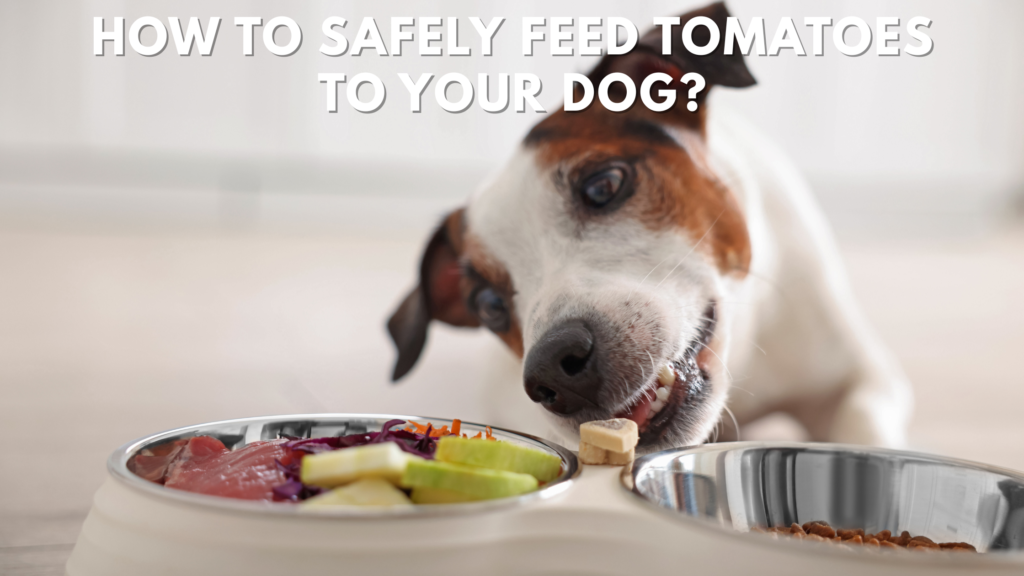
If you decide to offer your dog a tomato treat, follow these simple guidelines to ensure their safety:
When it comes to other fresh foods, you might ask, can dogs have lettuce and tomatoes? Yes, both are safe in moderation. Plain lettuce and ripe tomatoes can be a crunchy, hydrating snack.
The information here applies broadly to other household pets as well. If you’re wondering, can dogs and cats have tomatoes, the answer is similar. Ripe tomato fruit is generally safe for cats in small amounts, but the green parts of the plant are toxic to them, just as they are to dogs. Always consult a vet before introducing new foods to any pet’s diet.
To summarize, the answer to “can dogs have tomatoes?” is a qualified yes. Ripe, red tomato fruit can be a healthy, low-calorie snack for your dog when served plain and in small quantities. However, you must always avoid the green parts of the plant—the stem, leaves, and unripe fruit—as they contain toxic tomatine. Furthermore, processed tomato products like sauces, soups, and pastes are off-limits due to harmful additives. By following these guidelines, you can safely share the occasional tomato treat with your canine companion.