
21
Mar

Can dogs eat bananas? Every pet parent faces this question when they peel this popular yellow fruit. You break off a piece for yourself, and suddenly your dog sits by your feet, begging for a taste. We always want to share our favorite snacks with our furry friends, but we must ensure human foods are safe for canine consumption. Fortunately, bananas serve as an excellent, low-calorie treat for dogs when given in moderation.
Understanding how to safely incorporate this fruit into your dog’s diet requires a bit of knowledge about canine nutrition, portion control, and preparation methods. We will guide you through the health benefits, the potential hazards, and the best ways to serve this delicious snack to your dog.
Bananas provide a wealth of essential vitamins and minerals that support your dog’s overall health. Unlike high-fat commercial treats, this fruit offers a natural, nutrient-dense alternative that can reward your dog without adding unnecessary calories to their daily intake.
First, bananas pack a significant amount of potassium. Potassium functions as a vital mineral that supports muscle development, maintains healthy blood vessel function, and regulates your dog’s fluid balance. Active dogs especially benefit from potassium, as it helps prevent muscle cramps and fatigue after long walks or intense play sessions.
Second, this fruit serves as a great source of Vitamin B6 and Vitamin C. Vitamin B6 acts as a critical coenzyme in your dog’s brain and body, regulating fluid balance, building proteins, and supporting the nervous system. Meanwhile, Vitamin C provides antioxidant properties. It repairs tissue, reduces inflammation, and boosts the immune system, helping your dog fight off minor illnesses.
Finally, bananas offer plenty of dietary fiber. Fiber promotes a healthy digestive tract in dogs, helps resolve minor cases of diarrhea or constipation, and keeps your dog feeling full between meals. However, because of the high natural sugar content, you must treat this fruit as an occasional reward rather than a staple meal replacement.
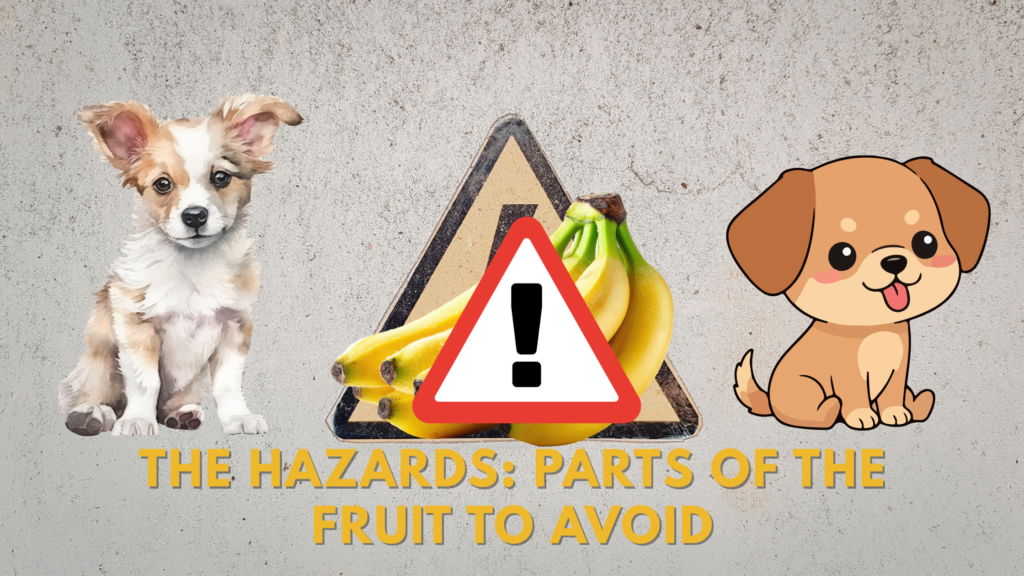
While the soft, fleshy inside of the fruit is perfectly safe, other parts pose severe risks to your pet. You must handle the protective outer layer with extreme caution.
Many pet owners ask, can dogs eat banana peels? The definitive answer is no. While the peel itself does not contain toxic compounds, it presents a massive choking hazard and a serious risk to your dog’s digestive system. The tough, fibrous nature of the peel makes it incredibly difficult for a dog’s stomach acids to break down.
If you are wondering, can dogs eat banana skin, the same rule applies. The skin can easily become lodged in the throat or the intestinal tract. An intestinal blockage is a life-threatening medical emergency that often requires immediate and expensive surgery to resolve.
Can dogs eat banana peel? To reinforce this crucial point, if someone asks you, can dogs eat banana peel, you should strongly advise against it. Always strip the fruit completely bare and dispose of the peel in a secure trash can where your dog cannot reach it. Dogs possess a strong sense of smell and might dig through the garbage to find discarded peels, so secure your bins tightly.
We humans love to process this fruit into various snacks and baked goods. Naturally, you might wonder if these human treats translate well to a canine diet. Let us examine a few common variations.
Baking fills the house with incredible smells, prompting the question: can dogs eat banana bread? You must keep banana bread away from your dog. Baked goods contain high amounts of added sugar, butter, and extra calories that lead to canine obesity and dental disease. More importantly, banana bread often contains ingredients that are highly toxic to dogs. Many recipes call for raisins, macadamia nuts, or artificial sweeteners like xylitol. Even a small amount of these toxic ingredients can cause kidney failure or fatal drops in blood sugar. Always stick to the plain, raw fruit.
Dehydrated snacks offer a satisfying crunch. So, can dogs eat banana chips? Yes, they can, but with some strict caveats. You must read the ingredient label carefully. Commercial banana chips often undergo deep-frying in unhealthy oils and feature heavy coats of added sugar or syrup. If you want to feed your dog banana chips, you should make them yourself at home. Slice a fresh banana into thin rounds and bake them at a very low temperature until they dry out completely. This provides a safe, crunchy treat without the harmful additives.
Sometimes, naming conventions cause confusion in the kitchen. For instance, can dogs eat banana peppers? Despite the name, banana peppers have absolutely nothing to do with the sweet yellow fruit. They are a type of chili pepper. While sweet banana peppers are not inherently toxic to dogs, you should generally avoid feeding them to your pet. The mild spice and acidity can irritate your dog’s stomach lining, leading to severe gas, vomiting, or diarrhea. Stick to actual fruits and dog-safe vegetables.
Knowing that can dogs eat bananas safely is only half the battle; knowing how much to feed them is equally important. Dogs process sugars differently than humans do. Because bananas contain high amounts of natural fructose, overfeeding can lead to upset stomachs, weight gain, and sudden spikes in blood sugar.
If you find yourself asking, how frequently can a dog eat bananas, you should view this fruit strictly as a high-value, occasional treat. Veterinary nutritionists agree that treats should never account for more than ten percent of your dog’s daily caloric intake.
Can Dogs Eat Bananas? For a large dog, half of a regular-sized banana twice a week is a safe limit. For medium dogs, two or three small slices are plenty. For toy breeds and small dogs, a single slice mashed up or cut into tiny pieces is more than enough. Always monitor your dog after introducing a new food. If you notice any loose stools or signs of discomfort, stop feeding them the fruit and consult your veterinarian.

You can serve this fruit in several fun and engaging ways to keep your dog mentally stimulated.
So, can dogs eat bananas? Yes, they absolutely can. This sweet, soft fruit stands as one of the best natural treats you can share with your canine companion. It delivers a powerful punch of potassium, vital vitamins, and helpful dietary fiber. Just remember to practice strict moderation due to the high natural sugar content. Always remove and secure the tough peels to prevent dangerous blockages, and avoid sharing processed baked goods loaded with toxic ingredients. By following these simple preparation and portion guidelines, you can safely let your dog enjoy a delicious taste of this popular fruit.