
27
Feb
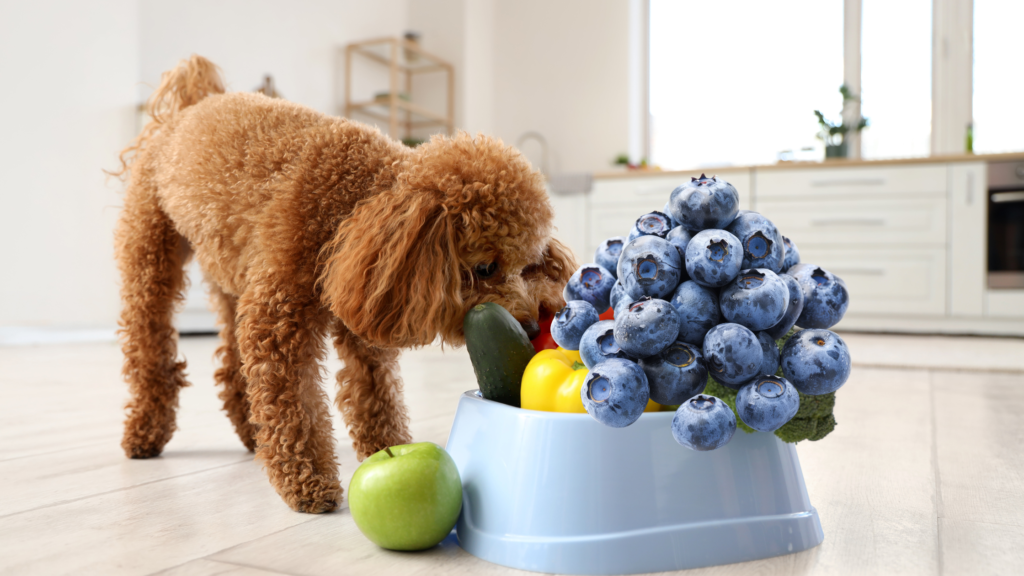
We have all been there. You are sitting at the kitchen table, enjoying a bowl of fresh fruit or a morning smoothie, and you feel a pair of eyes burning into you. You look down, and there is your furry best friend, offering a paw, a whine, or just that irresistible “puppy dog look.” They want what you have. If you are snacking on fruit, it is natural to wonder if it is safe to share. Specifically, can dogs eat blueberries?
The short answer is a resounding yes. But as with any treat, there are guidelines, nuances, and safety tips that responsible pet owners need to know. It isn’t just about tossing a handful of berries into their bowl; it’s about understanding nutritional benefits, serving sizes, and what types of blueberry products you should absolutely avoid.
In this guide, we will dive deep into everything you need to know about sharing these blue gems with your canine companion. From the impressive health benefits to the potential risks of baked goods, we have got you covered.

When you ask, “can dogs eat blueberries,” you are essentially asking if dogs can eat one of nature’s most potent superfoods. Blueberries are often touted as a miracle food for humans, packed with antioxidants and vitamins. The fantastic news is that many of these benefits translate directly to our four-legged friends.
Blueberries are low in calories but high in essential nutrients. Here is a breakdown of what makes them such a fantastic snack option:
Blueberries are famous for their high antioxidant content. Antioxidants are crucial because they fight free radicals in the body. Free radicals are unstable atoms that can damage cells, causing illness and aging. By feeding your dog foods rich in antioxidants, you are helping to boost their immune system and protect their cells from damage.
While dogs naturally produce Vitamin C in their bodies (unlike humans), getting an extra boost from whole foods can be beneficial, especially for older dogs or those with compromised immune systems. Vitamin K is essential for blood clotting and bone health.
Fiber is the unsung hero of digestive health. It helps regulate bowel movements and can aid in weight management by keeping your dog feeling full longer. However, this is also where moderation comes into play—too much fiber can lead to an upset stomach.
These are chemical compounds produced by plants. Studies have suggested that phytochemicals found in blueberries might help fight cancer and reduce inflammation in dogs, making them an excellent dietary addition for aging pets who might suffer from joint pain.
One of the most common questions pet owners have is regarding texture and temperature. Can dogs eat frozen blueberries? Absolutely! In fact, many dogs actually prefer them this way.
Frozen blueberries make for a crunchy, refreshing treat, particularly during the hot summer months. The texture is different—almost like a tiny, healthy popsicle. Because they are frozen hard, they can also provide a satisfying crunch that some dogs find entertaining.
Freezing blueberries is also a great way to preserve them before they spoil. If you buy a large punnet and can’t finish them all, simply wash them, dry them, and toss them in the freezer. You can hand them out individually as training rewards or sprinkle a few on top of your dog’s dinner for a cool garnish. Just be mindful of size; for very small toy breeds, a rock-hard frozen berry could pose a slight choking hazard, so keep an eye on them while they chew.

Variety is the spice of life, even for dogs. If you are making a fruit salad for yourself, you might wonder: can dogs eat strawberries and blueberries together?
Yes, this is a safe and delicious combination. Strawberries, like blueberries, are full of fiber and Vitamin C. They also contain an enzyme that can help whiten your dog’s teeth. Combining these two berries creates a nutrient-dense, low-calorie snack salad that most dogs will go crazy for.
However, when mixing fruits, sugar content becomes a bigger factor. While the sugar in fruit is natural (fructose), it is still sugar. Serving a bowl full of mixed berries should be done sparingly. Think of it as a dessert rather than a meal replacement. A good rule of thumb is to chop the strawberries into small pieces to match the size of the blueberries, ensuring your dog doesn’t gulp down a whole strawberry and risk choking.
We know they are healthy, but is there too much of a good thing? Can dogs eat blueberries everyday?
Technically, yes, your dog can eat blueberries every day, but quantity is critical. Veterinarians generally recommend the “10% rule.” Treats, including fruits and vegetables, should make up no more than 10% of your dog’s total daily calorie intake. The remaining 90% should come from a balanced, high-quality commercial dog food.
For a large Labrador, a handful of blueberries might be a drop in the bucket calorie-wise. For a Chihuahua, that same handful could be a significant portion of their daily caloric needs.
Feeding too many blueberries daily can lead to two main issues:
So, while the answer to “can dogs eat blueberries” is yes, the answer to “can they eat the whole carton” is definitely no. Start with just two or three berries to see how your dog’s stomach reacts before making it a daily ritual.

This is the most critical section of this guide. While raw or frozen blueberries are safe, blueberry-flavored human foods are a different story.
You might be tempted to share a bite of your morning breakfast, asking, “can dogs eat blueberry muffins?” The answer is generally no, and here is why.
While the blueberries inside the muffin are fine, the rest of the ingredients are not. Muffins are typically loaded with added sugar, butter, and processed flour, none of which are good for dogs. Excess sugar leads to obesity and diabetes, while rich, buttery foods can trigger pancreatitis—a painful and potentially life-threatening inflammation of the pancreas.
Even more dangerous is the possibility of artificial sweeteners. Some low-calorie or diet muffins contain Xylitol (often listed as birch sugar). Xylitol is extremely toxic to dogs. Even small amounts can cause a rapid drop in blood sugar (hypoglycemia), seizures, liver failure, and death. Never risk feeding baked goods unless you baked them yourself specifically for your dog using safe ingredients.
Another common query is, “can dogs eat blueberry yogurt?” This falls into a gray area but generally leans toward “better not.”
Plain, unsweetened Greek yogurt is actually good for dogs in small amounts due to the probiotics. However, commercially available blueberry-flavored yogurts are usually packed with sugar or artificial sweeteners (again, watch out for Xylitol). Additionally, many dogs are lactose intolerant. While puppies have the enzyme to break down milk, many dogs lose this ability as they age. Feeding them dairy can result in gas, bloating, and diarrhea.
If you want to give your dog a creamy treat, buy plain, xylitol-free yogurt and mix in a few fresh, smashed blueberries yourself. This way, you control the ingredients and ensure it is safe.

Now that we have established that can dogs eat blueberries is a yes with conditions, let’s talk about preparation. Even safe foods can pose risks if not prepared correctly.
One of the most exciting areas of research regarding dogs and blueberries involves brain health. As dogs age, they can suffer from cognitive decline, similar to dementia in humans. This is often referred to as Canine Cognitive Dysfunction (CCD).
Studies suggest that the antioxidants in blueberries can cross the blood-brain barrier and help protect brain cells from oxidative stress. Some research has shown that older dogs supplemented with antioxidants performed better on cognitive tasks and problem-solving tests than those who were not.
If you have a senior dog, asking “can dogs eat blueberries” might be one of the best things you do for their long-term brain health. Adding a few to their senior diet is a proactive way to support their aging mind.
To make things easy, here is a quick recap of the rules regarding dogs and blueberries:
So, can dogs eat blueberries? Yes, they absolutely can. These tiny, blue fruits are a fantastic, low-calorie treat loaded with vitamins, fiber, and disease-fighting antioxidants. Whether you are tossing them in the air for your dog to catch, freezing them for a hot day, or mashing them into their dinner, blueberries are a safe and healthy way to show your pet some love.
However, keep the “human food” versions away from your pup. When people ask, “can dogs have blueberries,” they usually mean the fruit, not the muffin. Stick to the whole, natural fruit, avoid processed sugars and dairy, and always introduce new foods slowly to see how your dog reacts.
By following these simple guidelines, you can share your healthy habits with your furry friend, knowing you are adding not just flavor, but nutrition to their life. Next time those puppy eyes look up at you while you’re holding a carton of berries, feel free to share the wealth!