19
Dec
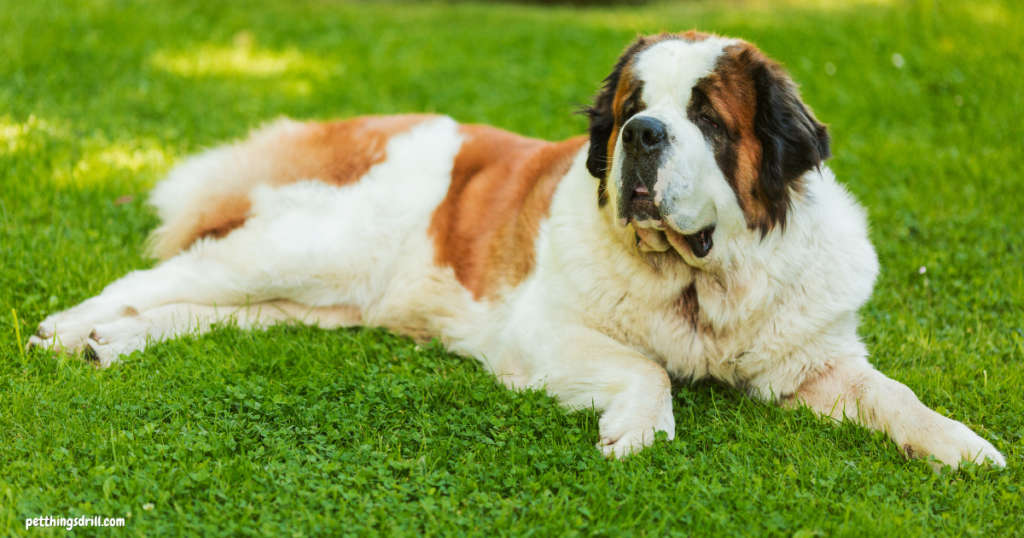
Saint Bernard Breed Dog is something truly awe-inspiring about seeing a Saint Bernard for the first time. Their immense size, gentle eyes, and the sheer volume of their presence can stop you in your tracks. I remember the first one I ever met, a friendly giant named Gus who belonged to a neighbor. He’d lumber over for a pat, his tail a slow, powerful metronome, and rest his heavy head on my lap as if we were old friends. That single interaction captured the essence of this magnificent breed: a loving heart wrapped in a colossal, fluffy package.
The Saint Bernard breed of dog has a history as rich and profound as its character. Originally bred for rescue in the treacherous Great St. Bernard Pass in the Swiss Alps, these dogs were lifesavers, navigating through snow and blizzards to find lost travelers. This legacy of service and companionship is imprinted on their very nature. They are more than just large dogs; they are symbols of loyalty, courage, and gentle strength. This guide will explore everything you need to know about these wonderful companions, from their unique traits to how they compare with other breeds.

At its core, the Saint Bernard is a working dog with a calm and patient temperament. Despite their intimidating size, they are famously good-natured, especially with families and children. This gentle disposition is why they have earned the nickname “nanny dog.” They are watchful and dependable, but not typically aggressive. Their protective instincts are born from a desire to care for their pack rather than from suspicion.
The breed comes in two coat types: long-haired and short-haired. Both varieties require regular grooming to manage shedding—and there will be a lot of it! Those long, flowing coats need daily brushing to prevent mats, while the shorter coats are a bit easier to maintain. And let’s not forget the drool. Owning a Saint Bernard means embracing the slobber; it’s just part of the package. Keeping a “drool rag” handy becomes second nature for any proud owner.
This is a common question, and it’s easy to see why. A healthy adult Saint Bernard can weigh anywhere from 120 to 180 pounds, with some males weighing over 200 pounds. Their massive bone structure, broad chest, and muscular build give them a very substantial appearance. However, it’s a misconception to label them the “fattest” dog breed.
When we refer to “fat,” we are talking about excess body weight derived from adipose tissue. A Saint Bernard at a healthy weight is powerful and muscular, not obese. The real issue is their predisposition to obesity if not properly managed. Their large frame puts significant stress on their joints, and carrying extra weight can lead to serious health problems like hip dysplasia, elbow dysplasia, and arthritis.
Their metabolism is slower than that of smaller, more active breeds. This means they require a carefully controlled diet with high-quality dog food formulated for giant breeds. Portion control is crucial. It’s tempting to overfeed such a large dog, but free-feeding is a recipe for disaster. Regular, moderate exercise like daily walks is also essential to keep them fit without over-taxing their joints. So, while they are one of the heaviest breeds, a healthy Saint Bernard is muscular, not fat.
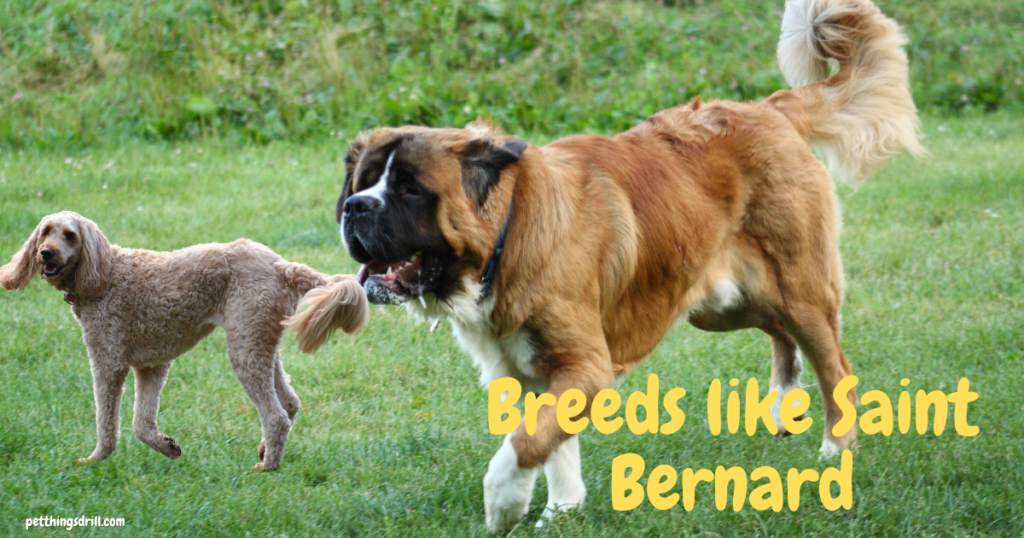
If you are captivated by the Saint Bernard’s gentle giant appeal but are curious about alternatives, several other breeds share a similar look or temperament. When people search for a dog breed that looks like a Saint Bernard, they are often drawn to other large, mountain-dog types.
Here are a few notable examples:
While these breeds share physical and temperamental similarities, each has its own unique history, health considerations, and care requirements.
As the popularity of “designer dogs” grows, it’s no surprise that the Saint Bernard has been mixed with other breeds to create unique hybrids. A Saint Bernard dog crossbreed often aims to combine the gentle nature of the Saint with the traits of another dog, sometimes to reduce health issues or create a slightly smaller, more manageable pet.
One of the most popular crosses is the “Saint Berdoodle,” a mix between a Saint Bernard and a Poodle. The goal is often to produce a lower-shedding giant breed, though this is never a guarantee. These mixes can be intelligent, loyal, and loving, but their size and energy levels can vary widely.
Other common mixes include:
When considering a crossbreed, it’s important to remember that the outcome is unpredictable. A mixed-breed puppy can inherit any combination of traits from its parent breeds, including appearance, temperament, and health vulnerabilities. Researching both parent breeds is essential.
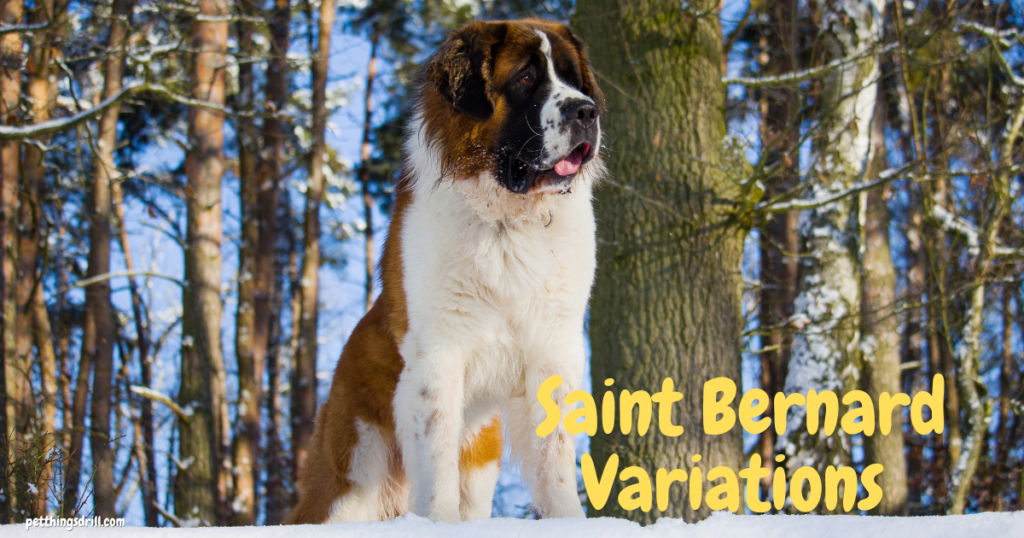
When people refer to a “Saint Bernard dog breed list,” they are usually interested in understanding the different types or categories within the breed itself. Unlike breeds that have multiple size variations (like the Poodle), the Saint Bernard is a single breed. However, distinctions are made based on coat type and historical lineage.
The two primary variations are:
Beyond coat type, you might hear breeders refer to different “lines” or pedigrees that emphasize certain traits. Some lines may be bred more for show, with a heavier build and more pronounced features, while others might retain a more athletic, “working” structure reminiscent of their Alpine ancestors. However, these are not official sub-breeds. Whether long-haired or short-haired, they are all part of the same wonderful Saint Bernard breed dog family.
Living with a Saint Bernard is a unique experience. It means accepting big appetites, big messes, and an even bigger amount of love. My neighbor’s dog, Gus, taught me that their size is secondary to their spirit. He was a constant, calming presence, a furry anchor in a busy world. He would lean his entire body weight against you, not to be dominant, but simply to be close. It was his way of giving a full-body hug.
The Saint Bernard breed dog is not for everyone. They require space, a commitment to training and socialization, and a budget for their significant food and veterinary needs. But for the right person or family, they offer a level of devotion and gentle companionship that is unmatched. They remind us that true strength lies not in size or power, but in a kind and steady heart. From their heroic past in the snowy Alps to their modern role as cherished family members, the Saint Bernard remains one of the world’s most beloved and noble breeds.